In the wave of digital transformation, the choice of servers by enterprises is becoming increasingly important. Servers are not only the infrastructure for data storage, but also the core of enterprise operations. Choosing the right server brand can improve the operational efficiency of the enterprise and ensure data security. This article will discuss server brands suitable for enterprise-level applications in the Japanese market from multiple perspectives.
There are several well-known server brands in the Japanese market, and they have a good reputation in terms of performance, stability and security. Among them, brands such as Fujitsu, NEC and Hitachi are common choices in enterprise-level applications. These brands not only continuously innovate in technology, but also provide complete after-sales service to ensure that companies have no worries during use.
As one of Japan's largest IT service providers, Fujitsu's servers are highly favored in enterprise-level applications. Fujitsu's servers are known for their high performance and reliability, suitable for large-scale data processing and high concurrency applications. Its PRIMERGY series servers, using advanced processors and memory technology, can meet the high demands of enterprises for computing power. In addition, Fujitsu also provides flexible configuration options to help companies customize according to specific needs.
NEC also has deep accumulation in the enterprise-level server field. Its Express5800 series servers pay special attention to data security and scalability, and are suitable for industries with extremely high security requirements, such as finance and medical care. NEC's servers are equipped with multi-level security protection mechanisms that can effectively resist cyber attacks. In addition, its modular design makes it more convenient for enterprises to expand in the future and reduces overall costs.
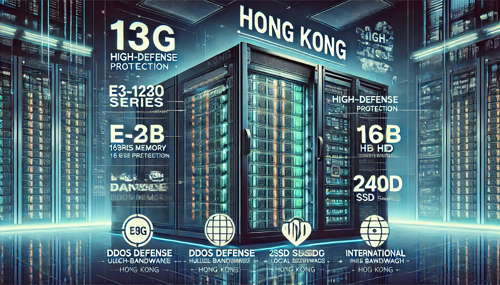
Hitachi’s servers are known for their high efficiency and energy saving advantages, especially for enterprise-level applications that require long-term operation. Hitachi's HA8000 series servers adopt advanced cooling technology and power management systems, which can significantly reduce energy consumption while ensuring performance. This is an important choice for companies that pursue sustainable development. In addition, Hitachi also provides flexible maintenance services to ensure the long-term and stable operation of the server.
In recent years, Rainbow Technology has made its mark in the Japanese market, especially in terms of innovation and flexibility. Its server products offer a variety of options in performance and configuration, suitable for enterprises of all sizes. Rainbow Technology has also introduced artificial intelligence technology to help companies better manage and optimize their server resources. In addition, its technical support team is responsive and provides strong guarantees for the company.
When choosing a server suitable for enterprise-level applications, enterprises should consider multiple factors. First of all, performance is key, and servers need to be able to support the business needs of the enterprise. Secondly, security cannot be ignored, especially in today's increasingly serious data breaches, strong security protection is essential. In addition, the quality of maintenance and support services is also a key factor that enterprises need to consider when choosing servers, ensuring that problems can be solved quickly when problems arise.
To sum up, there are multiple brands of servers in the Japanese market that are suitable for enterprise-level applications. Brands such as Fujitsu, NEC, Hitachi and Rainbow Technology have their own characteristics. When choosing, companies should conduct comprehensive assessments based on their own needs, industry characteristics and budgets. During the decision-making process, it is recommended that the company communicate with multiple suppliers to obtain detailed product information and technical support in order to make the best choice.
- Latest articles
- Detailed Explanation of Performance Testing Metrics and Stress Testing Plans for Hong Kong Server Clusters
- A content distribution optimization solution using geolocation-based query of Taiwan’s web server addresses
- Setup Guide: Using Taiwan’s native static IP to achieve a stable remote access solution
- Performance Comparison and Selection of Hong Kong BGP and CN2 Routes for Cross-Border Access
- Comparison of application-oriented Malaysia VPS evaluation results for website and game hosting needs
- Database Optimization: US Cloud Server Host Configuration, Analysis of IO Performance and Disk Types
- Beginner's Guide: What are the prices of original Korean IPs? What are the cost differences for different usage scenarios?
- The Role of Vietnam’s CN2 in Interconnection Across Multiple Countries and Guidelines for Adjusting Corporate Network Architectures
- Why are IDCs in South Korea cheaper than VPSs? An analysis of price advantages from the perspective of hardware depreciation and leasing strategies
- Popular tags
-
steps and precautions for creating a japanese proxy server
this article details the steps and precautions for creating a japanese proxy server to help users successfully build and maintain efficient proxy services. -
what japan's server sharing means and how it affects players
this article explores the implications of server sharing in japan and its impact on players, including network latency, gaming experience and the importance of choosing the right server. -

analysis of the impact and solutions of japan’s cn2 delay on user experience
this article analyzes the impact of japan's cn2 delay on user experience and proposes corresponding solutions to help improve network performance.